
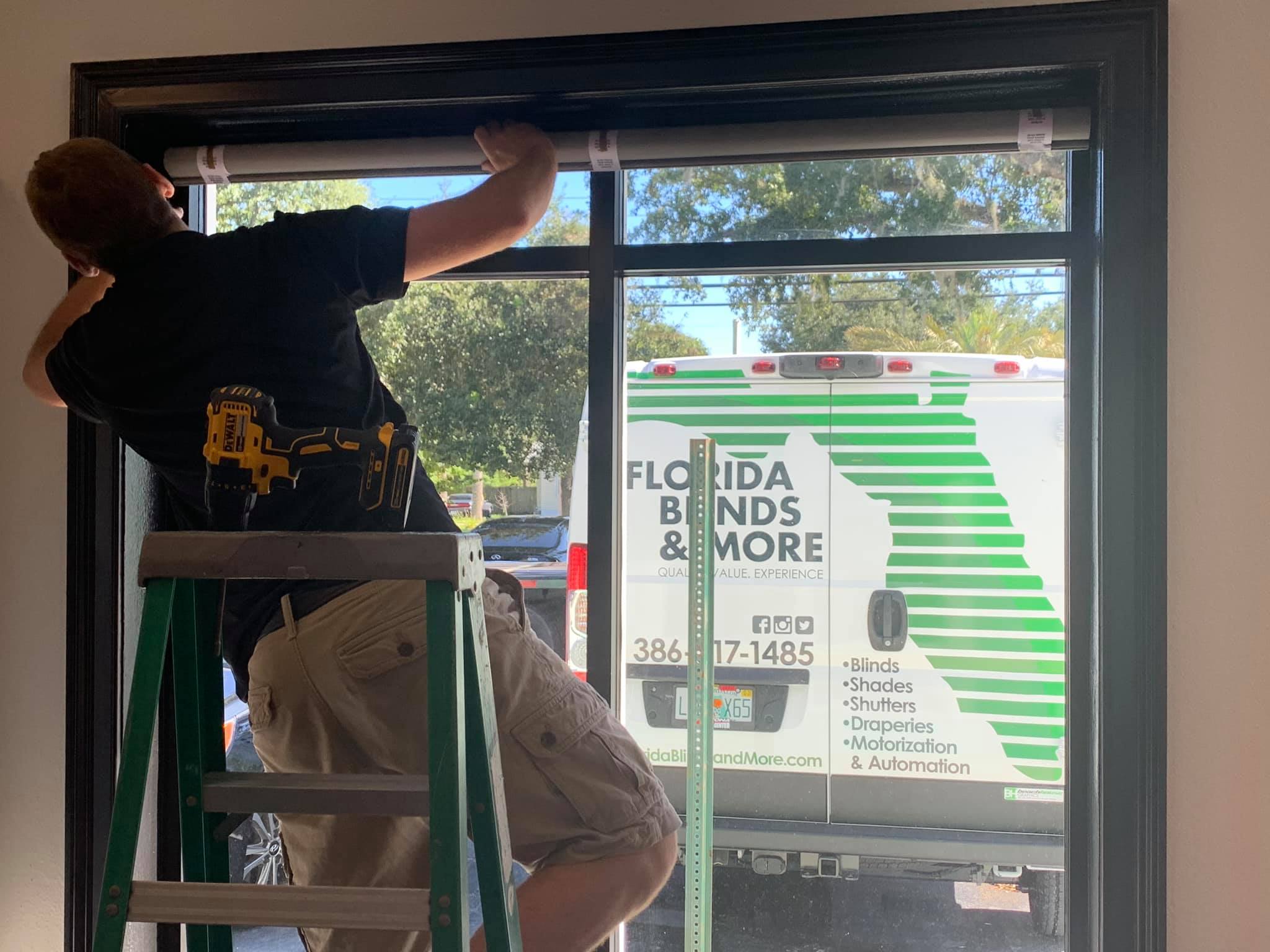
A blind that is off by even a fraction of an inch can change the whole feel of a room. It may leave a bright strip of Florida sun at the edge of the window, bump into a handle, hang unevenly, or simply look like an afterthought. Measuring window blinds is the step that turns a beautiful product choice into a finished, functional part of your home.
For Central Florida homeowners, proper measurement is about more than getting the width right. Your window treatments need to work with strong afternoon glare, heat gain, privacy needs, sliding doors, high ceilings, and the architectural details that make your home yours. A thoughtful measuring process helps ensure your new blinds, shades, shutters, or draperies look tailored from day one.
Start by Choosing an Inside or Outside Mount
Before taking out the tape measure, decide where the treatment will sit. This is the first decision because it determines every measurement that follows.
An inside mount fits within the window opening. It offers a clean, built-in appearance and lets beautiful trim stand out. Inside-mounted blinds and shades are often a great choice for windows with enough depth, especially when you want a tidy look in a kitchen, bedroom, or office.
An outside mount is installed on the wall or trim above and around the opening. It can make a window appear larger, cover shallow or uneven openings, and provide stronger light control. If morning sun comes through the sides of an inside-mounted shade, an outside mount may be the better answer. It is also commonly used for doors, French doors, and windows without enough recess depth for hardware.
There is no one-size-fits-all answer. A recessed window may look polished with an inside-mounted woven shade, while that same room may need outside-mounted blackout shades in the bedrooms for better sleep. The right approach depends on the room, the product, and what you need the treatment to do.
Measuring Window Blinds: The Core Measurements
Use a sturdy steel tape measure, not a cloth sewing tape. Measure to the nearest 1/8 inch, write down each number immediately, and label every window by room. Even windows that look identical can vary slightly, particularly in older homes or homes with custom trim.
For inside-mounted blinds and shades
Measure the width at the top, middle, and bottom of the window opening. Record the narrowest measurement. Window openings are not always perfectly square, and the narrowest point helps ensure the product can operate without rubbing or binding.
Next, measure the height on the left, in the center, and on the right. Record the longest measurement. This gives the blind or shade enough coverage from top to bottom, even if the sill is not perfectly level.
Finally, measure the depth from the front edge of the opening to the glass. This detail is easy to miss, but it matters. Some products need more depth than others to sit fully recessed. A slim cellular shade may fit where a larger wood blind or layered shade will not.
Do not make your own width deductions for an inside mount unless the manufacturer has given you exact instructions. Custom workrooms account for necessary clearance, and removing too much width can create gaps that reduce privacy and let in more light.
For outside-mounted blinds and shades
Measure the full area you want to cover, not just the glass. Start with width, measuring from where you want the left edge of the treatment to end to where you want the right edge to end. Extending beyond the window opening helps block side light and creates a fuller, more intentional look.
For height, measure from the point where the headrail or mounting hardware will be installed down to the desired bottom point. In many cases, that is the windowsill, but it may be below the sill when you want greater coverage or a more elongated look.
Check for obstructions before finalizing the size. Window cranks, alarm sensors, handles, trim, outlets, and nearby furniture can all affect the mounting location and operation. A shade can be measured perfectly on paper yet still be inconvenient if it catches on a crank or lands too close to a door handle.
Look Beyond the Window Opening
The best window treatments respond to the whole room. As you measure, stand where you normally sit, cook, work, or relax. Notice when the sun enters and where glare falls. A west-facing living room with large glass doors has different needs than an east-facing guest room.
In Central Florida, the biggest trade-off is often between preserving a bright, open view and controlling solar heat. Solar shades can soften glare while maintaining a connection to the outdoors. Cellular shades can add insulation and a softer look. Plantation shutters provide adjustable privacy and a classic finish, while layered shades offer flexible light control with a more decorative feel.
The product’s stack or fold also deserves attention. When raised, some treatments take up more space at the top of the window than others. This matters when you have transom windows, limited trim space, or a view you want to keep as open as possible. On wide windows and sliders, the direction of operation matters too. You want panels, blinds, or shades to move in a way that feels natural for everyday traffic.
Don’t Treat Doors Like Standard Windows
Doors require their own measuring approach. For a patio door, French door, or door leading to a lanai, account for clearance, handles, and how often the door is used. The treatment needs to provide privacy and sun protection without making it difficult to step outside with a tray, let the dog out, or enjoy your pool area.
For French doors, measure the glass area and check the space around the frame for mounting hardware. A treatment must clear the handle and still allow the door to open freely. For sliding glass doors, vertical blinds, panel tracks, vertical cellular shades, and drapery panels may be considered based on the look you want and the amount of heat and glare you need to manage.
Outdoor openings deserve the same care. Exterior shades for patios and lanais need accurate width and height measurements, but they also require consideration of wind exposure, mounting surfaces, screens, columns, and nearby pool features. This is one area where experienced eyes can prevent costly surprises.
Common Measuring Mistakes to Avoid
Most measuring issues come from assumptions, not from a lack of effort. Homeowners sometimes measure the glass instead of the opening, round measurements to the nearest inch, or use one measurement for several “matching” windows. Those shortcuts can lead to visible gaps and awkward installation.
Another common mistake is overlooking depth. A treatment may technically fit inside the opening but project past the trim, which may not be the look you had in mind. Motorized shades add another layer to consider because their hardware, power source, and control options should be planned before the order is placed.
It is also wise not to measure around temporary items alone. Move curtains, plants, and décor aside so you can see the actual window structure. If you are renovating, wait until new trim, tile, or cabinetry is in place before final measurements whenever possible. Small finish changes can affect where a treatment mounts and how balanced it looks.
Why Professional Measurement Changes the Result
A professional measure is not simply a second set of numbers. It is a chance to match the right product to the way your home lives. An experienced consultant can spot shallow recesses, out-of-square openings, mounting limitations, control-placement concerns, and design opportunities that are easy to miss when measuring alone.
That is especially valuable for oversized windows, arched openings, motorized treatments, plantation shutters, outdoor shades, and rooms with several different window types. During an in-home consultation, you can also see colors and materials next to your flooring, paint, and natural light instead of trying to picture them under store lighting.
Florida Blinds And More brings samples, design guidance, precision measuring, and professional installation directly to your home, so the final treatment is planned as one complete project. It is a more comfortable way to make decisions about a home you plan to enjoy for years.
A well-measured blind does not call attention to itself. It simply makes the room feel calmer, cooler, more private, and more complete. Before you choose your next window treatment, give the measurement process the attention your forever home deserves.
