
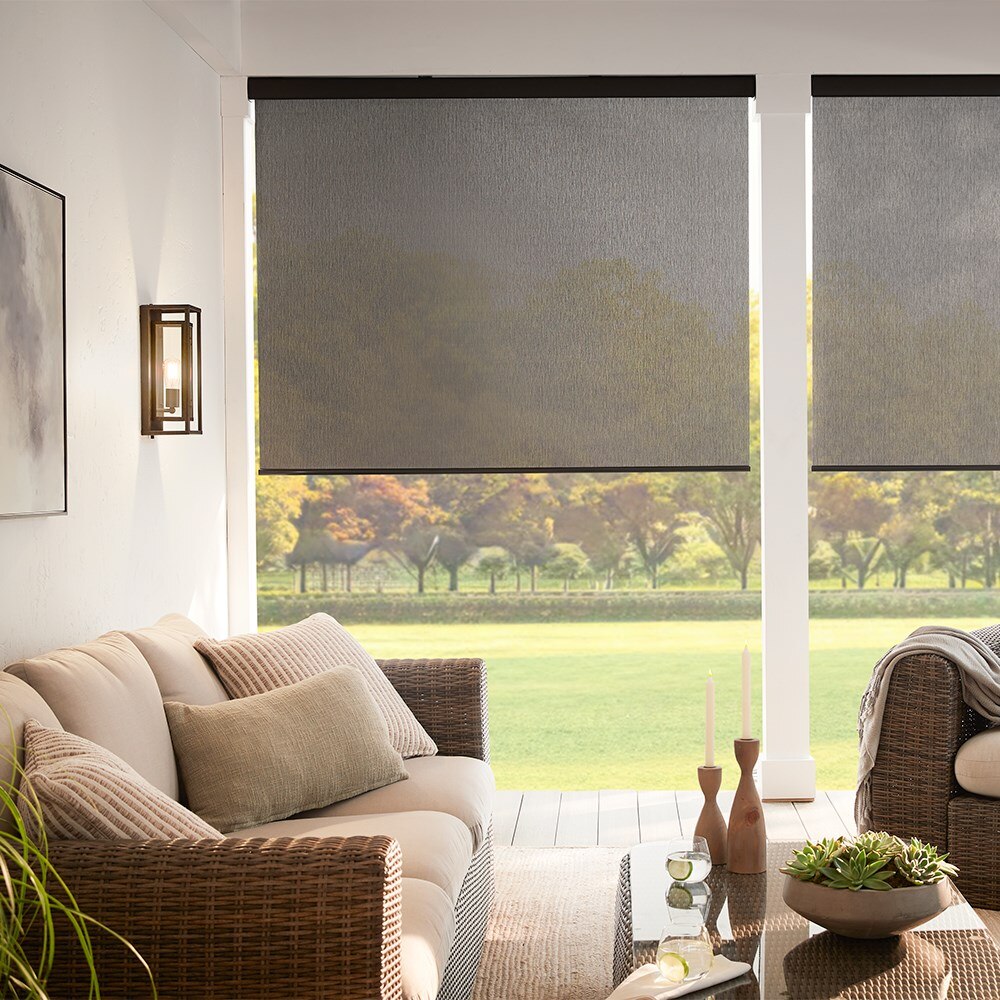
That afternoon sun can turn a beautiful Florida room into the one room nobody wants to use. It bounces off pool water, washes out the television, puts a glare across laptop screens, and makes the view outside hard to enjoy. Solar shades for glare give you a more comfortable way to manage that intense light without closing your home off from the sunshine that makes Central Florida living so special.
For homeowners with wide sliders, walls of glass, sunny breakfast nooks, lanais, and west-facing living spaces, the right shade is not simply a decorating choice. It is a daily comfort decision. The goal is to soften the sun, protect your furnishings, and keep your rooms feeling open and finished.
Why Florida glare needs a different solution
Glare is not the same as brightness. A room can be bright and welcoming, yet still comfortable to watch TV, read, work, or gather in. Glare happens when direct or reflected sunlight creates a sharp, high-contrast beam that your eyes have to fight against.
Central Florida homes see this problem from several directions. Low morning or late-day sun can cut beneath roof overhangs. Large windows bring in wonderful natural light but can also turn polished floors, countertops, and screens into reflective surfaces. Near the coast, bright skies and water reflections can amplify the issue even further.
Traditional blinds can block glare, but they often require you to tilt slats or close them enough that the view disappears. Draperies add softness and privacy, though they may feel too heavy for a casual living area or a clean, coastal-inspired design. Solar shades offer a practical middle ground: they filter light at the window while preserving a connection to the outdoors.
How solar shades for glare work
Solar shades are made from specially designed woven materials that screen sunlight before it enters the room. They reduce the intensity of incoming light and help cut reflections on televisions, phones, tablets, and computer monitors. At the same time, they can maintain an outward view during the day.
The key is the fabric’s openness factor. This refers to how tightly or loosely the material is woven. A lower openness factor has a tighter weave, providing stronger glare control, more privacy, and more help with heat. A higher openness factor lets in more light and offers a clearer view, but it will not filter the sun as aggressively.
There is no single right openness factor for every room. A shaded north-facing office may be comfortable with a more open weave. A west-facing family room with a large television and direct afternoon exposure may need a tighter fabric. This is why seeing samples in your own home matters. The same color and weave can look very different at noon than it does during that strong 5 p.m. sun.
The view and privacy trade-off
Solar shades are excellent at daytime glare control, but homeowners should understand the privacy trade-off. During the day, when the outside is brighter than the inside, they can offer a degree of privacy while still allowing you to see out. At night, that relationship reverses. With lights on indoors, people outside may be able to see silhouettes or activity through a solar shade.
For bedrooms, bathrooms, street-facing rooms, or homes with close neighbors, pairing solar shades with drapery panels, side panels, or a second privacy shade can be a smart choice. You get the light filtering and view preservation you want during the day, plus the coverage you need after dark.
Choosing the right solar shade for each room
The best solar shade is one that works with how you actually live in the space. Start with the direction of the window, then think about the room’s purpose, your preferred view, and the level of privacy you need.
In a home office, screen visibility may be the top concern. A darker shade fabric can often provide a clearer view outward and better glare reduction because it absorbs more light rather than reflecting it into the room. In a living room, the priority may be protecting a television wall and keeping the room comfortable for family time. In a kitchen or dining area, you may want a lighter fabric that maintains a fresh, airy look while taking the edge off the sun.
For sliders leading to a patio, pool deck, or lanai, consider how often the door is used. Roller solar shades create a clean, tailored appearance and work beautifully on many large openings. Panel-track systems can be especially useful for wide glass doors because they stack neatly to the side when it is time to head outdoors. Motorization can make either option easier to use, particularly on tall windows, hard-to-reach transoms, or a wall of glass.
Color matters more than many homeowners expect
Fabric color affects both the room’s appearance and the shade’s performance. Darker solar shade fabrics generally offer stronger outward visibility during daylight hours. Lighter fabrics can blend softly with white walls, coastal palettes, and bright interiors, although they may create a gentler, less defined view outside.
That does not mean darker is always better. A charcoal shade may be ideal in a media room but feel too bold in a breezy breakfast area. A warm linen tone may complement your floors and furnishings beautifully while still delivering meaningful glare reduction. The right choice balances your home’s design with the sun exposure on that specific window.
Benefits beyond better TV viewing
Reducing glare is usually the first reason homeowners consider solar shades, but the benefits reach further. Filtered sunlight can help protect flooring, artwork, upholstery, and wood furniture from fading under relentless UV exposure. By limiting solar heat gain, the shades can also help rooms feel less punishing during the hottest parts of the day.
They bring visual calm, too. Instead of constantly adjusting blinds throughout the day, you can lower the shades and enjoy a more even quality of light. That can make a great difference in open-concept homes where the kitchen, dining area, and family room all share the same bank of windows.
Solar shadeshttps://floridablindsandmore.com/shades also suit a range of Florida design styles. They can look crisp and contemporary in a new construction home, understated in a coastal condo, and refined in a more traditional space. With custom sizing, coordinated hardware, and fabrics selected around your existing finishes, the result looks intentional rather than like an afterthought.
When motorized shades make sense
Motorization is more than a luxury feature when glare arrives at the same time every day. You can raise or lower shades with a remote, wall control, or smart-home system rather than walking from window to window. Timed schedules are particularly helpful for rooms that heat up in the afternoon or for homeowners who travel and want their home to look cared for.
Motorized solar shades are also a practical option for large windows above stairways, tall great-room glass, and windows behind furniture. If a shade is difficult to reach, it is less likely to be used consistently. Convenient operation turns glare control into something that happens automatically, not another task on your list.
Why professional measuring changes the result
A solar shade has to fit the opening precisely to look polished and perform well. Small gaps can let in sharp streaks of light. Incorrect mounting can interfere with trim, door handles, sliding doors, or window operation. Larger openings may also require thoughtful planning around fabric width, roll direction, and shade placement.
An in-home consultation makes these details easier to solve. You can compare fabrics against your paint color, flooring, and furnishings, then watch how samples respond to the actual sunlight in your room. A professional can also identify whether inside mounting, outside mounting, a dual-shade system, or motorization will give you the best result.
At Florida Blinds And More, we bring that showroom experience to your home, then handle precise measuring and professional installation with an in-house team. You do not have to guess from a tiny online swatch or manage a complicated installation on your own. We are your neighbors, and we want every shade to look right, operate properly, and make your home more comfortable before we leave.
A clearer, more comfortable view of home
The best window treatments do not make you choose between sunlight and comfort. They help you enjoy your view, your screens, your furnishings, and the rooms you have invested in. If glare is keeping you from using part of your home the way you want, an in-home look at solar shade fabrics can turn that bright problem into a beautifully filtered view.
